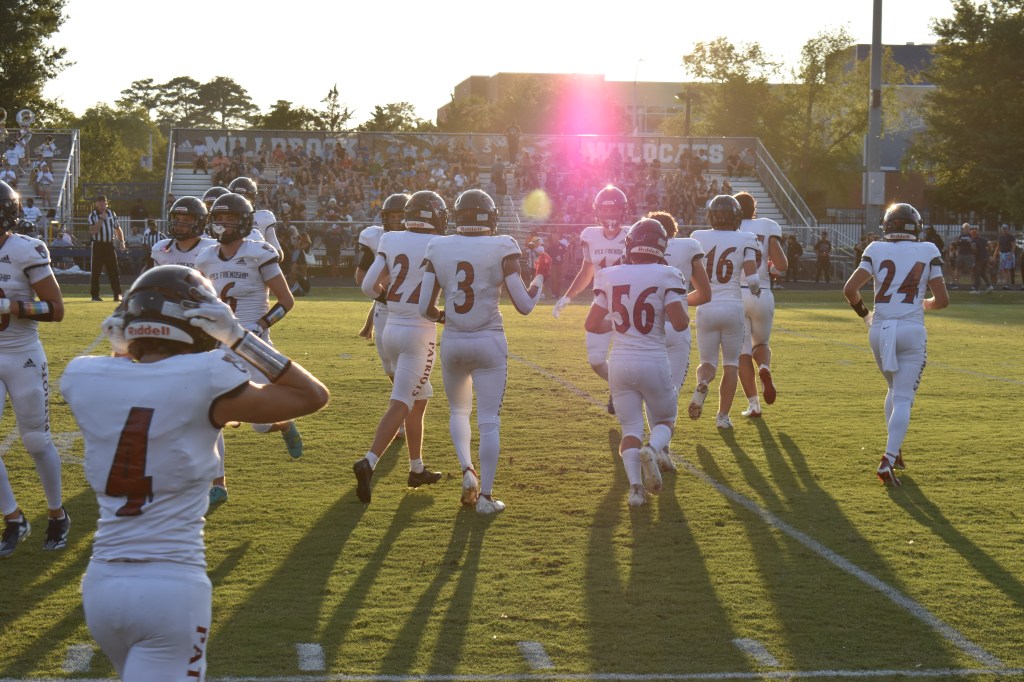
As athletes, the drive to push ourselves to the limits can often lead to burnout. Burnout can take you by surprise and can ruin an entire season. If you’ve ever felt physically and mentally drained or unmotivated, you’re not alone. Many coaches teach that you are much stronger physically than you are mentally. I do not have qualifications to discuss this professionally. However, I can share what I have done to personally avoid burnout. First, you have to be able to recognize the signs of burnout. These signs include:
- Chronic fatigue and lack of energy
- Decreased performance despite consistent effort
- Emotional detachment from your sport
- Increased irritability or frustration
- Apathy toward training or competition
I have been swimming competitively since I was 8 years old. Around the age of 11 I started not wanting to go to practices anymore. In that same year, Covid-19 hit and I decided to take a year off. The break helped me realize how much I loved the sport and made me want to come back and give it my all. This is the main thing I would recommend for athletes, however, it is very understandable that this may not be an option for everyone. At this point in my athletic career I would not be able to take time off, so I take different steps to avoid burnout. One of the main ways I have avoided burnout since is by recognizing the signs early on. Once I recognize the signs, I follow these simple steps in order to refocus myself.
Steps to Avoid Burnout:
- Re-evaluate your goals.
This first step is one of the most important in overcoming burnout. You have to find your why. If you don’t have a why then you won’t want to come to practice and you’ll burn out much easier than others. Your why for playing a sport is very personal to you. For some, it may be because they want to make it to the college level. For others, it could be because they want to qualify for a specific competition. One thing that you have to be careful with is having your why be a specific goal because when you achieve that goal, your why has disappeared. A great athlete constantly adjusts their goals in order to constantly get better. On the other hand, burnout can stem from unrealistic or overly ambitious goals. Take time to reflect on why you started your sport in the first place. Are you enjoying the process, or are you solely focused on outcomes? It is important to adjust your goals often in order to motivate yourself in the best way possible.
2. Incorporate Rest and Recovery.
Rest is just as important as training. Overtraining can lead to physical and mental exhaustion, increasing your risk of injury and burnout. Schedule rest days, prioritize quality sleep, and consider adding a fun activity to your schedule each week that you can look forward to. As a competitive athlete, I aim to sleep for 8-10 hours each night. Some nights this can be unrealistic based on outside factors such as homework or extracurriculars. However, I notice that whenever I sleep more, I recover faster.
3. Switch Things Up
Instead of doing the same things every practice and competition, switch it up! Choose different foods to eat, different sets to do, different techniques to focus on. These changes can help break the cycle of monotony and will keep things exciting.
4. Build a Support System
Having a support system can make a world of difference. Lean on your teammates, coaches, friends, and family when you’re feeling overwhelmed. Talking about your struggles can help lighten the mental burden sports place on you, and your support system can offer encouragement and perspective.
5. Focus on Mental Health
Mental health is just as important as physical health. If burnout feels unmanageable, consider seeking support from a sports psychologist or counselor. Often times however, you can manage burnout through visualization, meditation, or journaling. I enjoy picking out a new journal each season that I can write in. I write everything that is on my mind, the good and the bad and that helps me to get over certain trials.
6. Celebrate the Small Wins
Sometimes, we’re so focused on big goals that we overlook the small victories along the way. Celebrate progress, no matter how small it seems. Whether it’s mastering a technique, improving your personal best, or simply showing up for practice, these wins add up and fuel motivation. You should only focus on the things that you can control, so if you are showing up to practice, eating the right foods, sleeping enough, etc., you should be proud of the effort that you’re putting in.
7. Set Boundaries
Sometimes it’s okay to say no to a competition or extra commitment because you need a break. Prioritize your well-being and focus on what truly matters to you as an athlete. One thing I like to do is take a me-day once every couple of weeks. On these days, I’ll do the things I want to get done, and I’ll take care of myself whether that be by going on a walk, spending time with friends, or watching a movie.
8. Don’t be Hard on Yourself
It’s okay to feel burned out. Every single athlete has or will experience burnout to some degree. It doesn’t mean you’re weak or that you’ve failed. Burnout is a natural response to prolonged stress, and addressing it is a sign of strength. Be patient and kind to yourself as you work through it.
In Conclusion:
Burnout doesn’t have to signal the end of your athletic journey. By recognizing the signs, prioritizing recovery, and leaning into strategies that reignite your passion, you can overcome burnout and come back stronger than ever. Remember, motivation is not constant; it’s something we cultivate. With time, patience, and the right approach, you will be able to find your why again.







Leave a Reply